Rationale
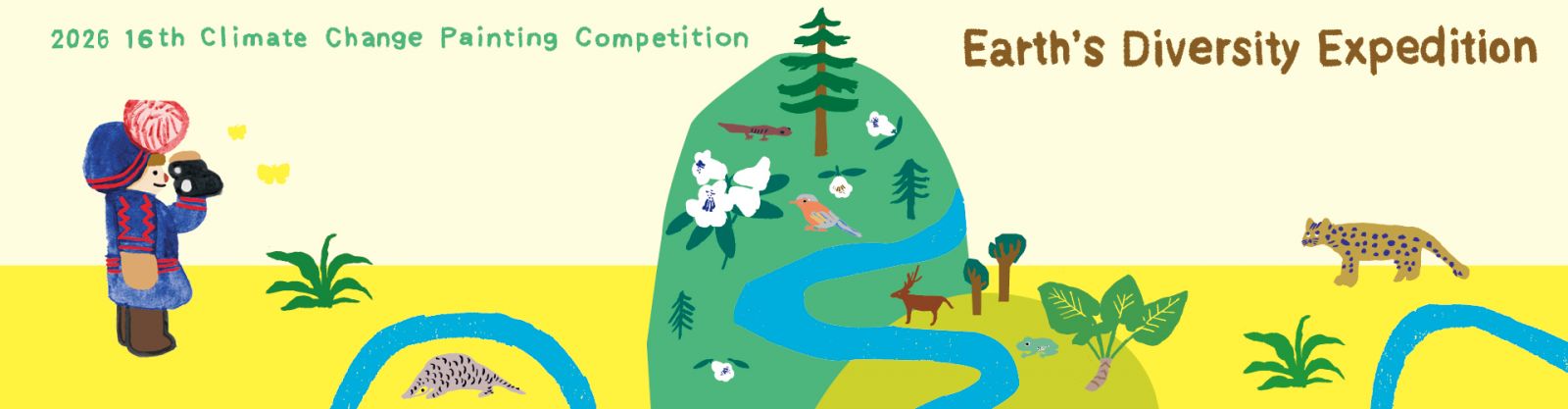
Amid accelerating climate change and rapid environmental transformation, biodiversity has become a critical global concern. This year’s Painting Competition adopts “Biodiversity” as its core theme and is officially titled “Earth’s Diversity Expedition.”
The initiative aims to encourage students to start with their local surroundings, observe how different forms of life coexist and depend on one another, and contemplate how humans can build long-term, respectful, and sustainable relationships with the natural world.
What Is Biodiversity?
Biodiversity encompasses the rich variety of all life on Earth, including genetic diversity within species, diversity between species, and the diversity of ecosystems such as forests, oceans, and wetlands.
These interconnected life forms and environments create resilient ecosystems that support food systems, human health, and overall quality of life. This theme aligns with the international Kunming–Montreal Global Biodiversity Framework (KM-GBF), supporting the 2030 target to halt and reverse biodiversity loss, and contributing to the 2050 vision of "living in harmony with nature."
A Global Perspective, Taiwan in Focus
Within this shared global framework, Taiwan stands out as a region of exceptional biodiversity. Located across tropical and subtropical zones, Taiwan has recorded over 60,000 species—accounting for an impressive 3.4% of the world’s known species—including many endemic species found nowhere else on Earth.
Through the “Earth’s Diversity Expedition,” students are encouraged to explore Taiwan’s rich natural environments and understand the vital importance of biodiversity conservation in maintaining local ecological balance and safeguarding future generations.
Human–Nature Coexistence: Culture and Health
Biodiversity extends beyond the natural environment; it profoundly influences human culture, health, and ways of life. Worldwide, Indigenous Peoples have long coexisted in harmony with nature. Their accumulated traditional knowledge and land stewardship practices play a pivotal role in maintaining ecosystem stability.
Research indicates that when conservation and resource management integrate Indigenous governance systems, biodiversity decline is significantly mitigated. Furthermore, healthy ecosystems and microbial diversity form the foundation of medical innovation. Many modern medicines are derived from natural biological resources. As species disappear, the opportunities for medical research and the discovery of potential treatments are lost as well.
Protecting biodiversity, therefore, is not only about conserving nature—it is fundamental to safeguarding human health and advancing global medical development.
Connecting to the Sustainable Development Goals (SDGs)
To translate the value of biodiversity into concrete action, “Earth’s Diversity Expedition” aligns with the United Nations Sustainable Development Goals (SDGs):
-
Conservation of Life: Highlights marine and terrestrial ecosystems (SDG 14, SDG 15).
-
Environmental Synergy: Connects climate action with water resource protection (SDG 13, SDG 6).
-
Resource Responsibility: Addresses food security and responsible consumption (SDG 2, SDG 12).
Through artistic creation, students are invited to depict the vibrant diversity of nature and express their visions for a future in which humans and nature thrive together.
Key References
-
International Frameworks: Convention on Biological Diversity (CBD), Article 2; Kunming–Montreal Global Biodiversity Framework (KM-GBF).
-
Taiwan Biodiversity Data: Taiwan Ecological Network (TEN), Forestry and Nature Conservation Agency, Ministry of Agriculture.
-
Indigenous Knowledge: Nature (2024 research articles); IPBES Global Assessment Report.
-
Health & Science: World Health Organization (WHO) Biodiversity and Health Fact Sheets; UNEP – Combating Antimicrobial Resistance.
-
SDG Linkages: United Nations SDG Indicator Database.